Showing posts with label Nizamuddin. Show all posts

Tuesday, 22 December 2020

Khan-i-Khanan Tomb - Rahim Gets a New Wardrobe

Rahim Tomb

Circa March 2013

Who can forget reciting ‘Dohe’ in our school Hindi classes? Dohas are short Hindi couplets conveying profound messages that draw meaning from everyday life for easy understanding. Apart from Kabir, another prolific dohe writer was Rahim. To understand the childhood connection with Rahim, we need to jog our memory to recall a popular doha:

रहिमन धागा प्रेम का, मत तोड़ो चटकाय।
टूटे से फिर ना जुड़े, जुड़े गाँठ परि जाय॥

English Translation
Rahim says; Do not break the thread of love between people. If the
thread breaks, it cannot be mended; even if you mend it there will
always be a knot in it. The friendship will not be same anymore.

Rahim Tomb - South Western Corner - 2020

 Khan-i-Khanan Tomb: South East View - March 2013

Now that sure brought an instant childhood connection with Rahim and a smile to the face.

Khanzada Mirza Khan Abdur Rahim Khan-e-Khanan (17 December 1556 – 1626) popularly known as Rahim was one of the Navratnas (Nine Ministers or Nine Gems) in Akbar’s court. Abdul Rahim Khan was the son of Bairam Khan. History is amazing – how can a son of a Mughal general infamous for atrocities could turn out to be composer and poet.

March 2013

 The East Face - 2020

Akbar who was probably sick of the overbearing and revolting Bairam Khan – Akbar’s tutor, regent and general – retired him and sent him packing to Mecca. This was better than being thrown off the Agra Fort as Adham Khan would testify. On his way in Gujarat, Bairam Khan was recognised by a certain man called Hazi Khan whose father was brutally killed by Bairam Khan during the Second Battle of Panipat between Akbar and Hemu.

March 2013

2020

March 2013


Bairam Khan had exhorted the kid Akbar to behead Hemu as he lay bleeding from an arrow wound in the eye. Bairam must have done something similar to this guy’s father too. Anyway, Hazi Khan takes revenge and kills Bairam Khan. Maybe it was all planned by Akbar! However, Rahim Khan then four and his mother were released unharmed and they returned to Akbar’s court.


He was a contemporary of Tulsidas and both would exchange notes. You could call them today’s Gulzar and Javed Akhtar. Although a Muslim, he was a devotee of Lord Krishna and wrote poetry dedicated to Him. The reason could be owing to his maternal lineage tracing back to Jadaun Rajputs and Yadavas.


History again has a way of repeating unflinchingly in gory ways. Just like Rahim’s father Bairam Khan tutored Akbar and was unceremoniously disposed off in an ambush in Gujarat for his efforts, Rahim tutored Akbar’s son Jahangir. For his efforts, Jahangir had Rahim’s two sons killed and their bodies left to rot at Khooni Darwaza opposite Feroz Shah Kotla. Jahangir was simply annoyed that Rahim’s sons supported Jahangir’s eldest son Khusrau to succeed Akbar.

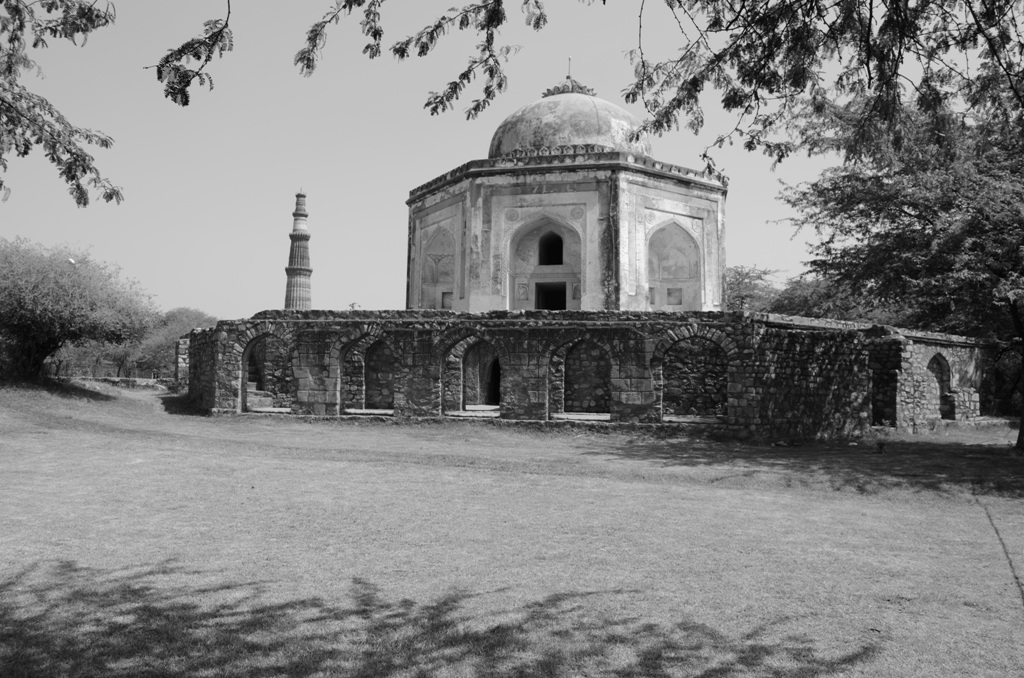
During his trips to Delhi, Mirza Khan marvelled at the beauty of the recently built Humayun Tomb. He figured that he would build something similar for his wife; just like Haji Begum did in her husband Humayun’s memory. Built in 1598, about 30 years after Humayun’s Tomb, the structure and planning of Khan-i-Khanan Tomb is similar but on a much smaller scale. The tomb, like Humayun Tomb, is faced with red sandstone and white marble. The high dome has decorated plaster work. On his death, Rahim Khan was also buried here along with his wife and sons.

March 2013

Mirza Khan’s cenotaph lies on the first floor. The tomb was stripped of its sandstone and marble for building the Safdurjung Tomb – a pattern repeated earlier by Sher Shah Suri who dismantled Siri Fort to build Shergarh and Shahjahan who walked away with Feroz Shah Kotla to build Shahjahanabad.

The chain of inspiration for building tombs for spouses continued and later Shahjahan taking a cue from Rahim Khan built a popular tomb in Agra for his wife.

 Seems like yesterday, don it - March 2013


March 2013


Today, the Khan-i-Khanan Tomb sits on prime real estate in East Nizamuddin. The lawns are lush and well maintained. Since it is a ticketed monument and that too in the shadow of Humayun Tomb, it does not get many visitors. Most people driving on the busy Mathura Road are too busy negotiating the traffic to look. Few who do, look at the tomb with some bewilderment. People are not sure what to make of the stripped exterior. The tomb looks like a once rich person who has been dealt a bad hand and all that is left now is a tattered coat and some old glory. It looks both tragic and endearing – just like Rahim’s life.

Come and spend some time among the scarred and stripped walls. You just might hear poetry and couplets wafting in the air.


Getting There: As you drive on Mathura Road from Subz Burj roundabout towards Nizamuddin Railway Station, the tomb lies on the left.

https://www.ghumakkar.com/knowing-delhi-khan-i-khanan-tomb-in-nizamuddin/

(first published on the Travel Portal Ghumakkar)


Circa Feb 2015

As you rummage through your photos, you realise you had visited the tomb on a foggy morning in Feb 2015 too. Looking at the blueprint pieces of paper (looks like the radioactive sign) pasted on different sections of the tomb, the renovation was about to start around this time. The visit gives a nice midway point of time between 2013 and 2020. Here are a few photos from that visit.

This is what you noted on a FB post:

Looking at the heavy slabs of red sandstone, it seems Khan-i-Khanan Tomb will undergo large scale restoration. You like the tomb’s bare stripped appearance. The walls of the lower levels cells have already been plastered over. Most of the original incised plasterwork is gone. Not happy with the work done so far.

Last chance to go and record the original look before the red slabs cover the facade.

https://www.facebook.com/groups/dhpclub/permalink/939462572760429 

(quite an enlightening conversation)

Khan-i-Khanan Tomb in Feb 2015 


December 2020

The General has New Clothes

धरती की सी रीत है, सीत घाम मेह
जैसी परे सो सहि रहै, त्यों रहीम यह देह॥

You have never seen the Sabz Burz roundabout choked on a Sunday. Entire Delhi seems to have descended here. People are tired of the lockdown and a sunny Sunday offers exciting opportunities. About a km to the south, everything is tranquil at the gates of the newly renovated tomb. Wait a minute - there are some Bongs who apparently can’t get the new ASI site to issue e-tickets trying to talk some sense into the caretaker to let them in. You try too but the site is apparently overloaded with all the folks back at Humayun Tomb trying to buy tickets. ASI has just lifted the 1000 people a session limit this weekend. Now hoping they start opening them up for the lit hours too. Time to get some e-payment app on the phone.


You are entering the premises after about six years. They have opened a new gate on Mathura Road side with parking. Last time you entered from the North gate on the East Nizamuddin colony street. What you see is almost a majestic tomb, glowing in the beautiful sunshine and some of the bluest skies. For a moment, it seems the tomb is cocking a snook in Safdurjungs Tomb’s direction for stealing its stone (both lie on a perfect east-west axis few kms apart). The tomb has lost its emaciated, stripped and defeated look.  The tomb has certainly gained weight and a new dapper wardrobe during the lockdown. The wispy white clouds seem to be celebrating the comeback of Mirza Khan. The exposed rubble walls have brand new sandstone and marble attire. Your feelings are mixed seeing the new Rahim. To you it seemed the earlier avatar poignantly reflected the tragic life of Bairam Khan’s (allegedly killed by Akbar) son, whose own two sons were killed by Jahangir – the vicissitudes of imperial life. 


Aga Khan Foundation (AKTC) along with INTACH has been doing the restoration work for years now in the Nizamuddin area. Humayun Tomb was a colossal project. Later, Sundar Nursery was rejuvenated with its crumbling monuments given new life. Sabz Burj is being worked upon now. While they have done good job on Chaunsath Khamba, you are not sure if they will be able to reclaim several monuments inside the Basti from the usurpers like the probably already disappeared Lal Mahal. INTACH and the Foundation overall, has done a good job with the structure, the grounds and the interpretation. But seeing their recently restored monuments already coming apart in Sundar Nursery, you are really not sure how soon the new plaster and the painting will start unravelling inside the chamber. So here is what you think – their stonework is good however, they are yet to crack the formula of plaster making. 


March 2013


On the first-floor platform, an informed traveller remarked that the water tank is usually not seen on the first-floor platforms of Mughal tombs. Palaces like in the Red Fort and other contemporary Rajput palaces have fountains and tanks and water channels. You are racking your brains if you have seen this feature in the Deccan and if some architect or Mirza Khan’s posting in Deccan exposed him to this element. Since the Tomb was inaugurated by the Culture and Tourism Minister, today the tank has clean waters fragrant with rose petals. In a few days, it will be filled with gutkha spits and chips packets. 


March 2013


The dome in the chamber has been done up quite nicely. Apparently, the original incised plasterwork has been exposed and painted. The sun streaming through the west iwan doorway now fitted with metal filigree screen throws interesting patterns on the plaster. Pigeons have not yet invaded the chamber and the walls still sparkle for the time-being. Lets wait for the first monsoons - that will be the test of the new restoration.


You come out and stand on the southwest corner as you watch the tomb gleam in the soft winter Delhi sun as the clouds drift creating interesting patterns on the blue sky. Such moments are rare in Delhi. Rahim would be smiling.


Please visit Justrippingg's Facebook Page for updates

Sunday, 12 February 2017

Winter Surprises - Explore the Misty Layers of Delhi

Every season gives us a different reason to love Delhi. On a winter morning as the fog rolls in even the adorably brash and unruly Delhiites go quiet and contemplative on their commute to offices. Later the soft glow of the afternoon wraps you intimately in a warm embrace. Cocooned snugly in woolly layers it is time to uncover Delhi’s surprises hidden in misty layers of time.


The Majestic Floss Silk Trees that bloom in October - at Shanti Path, Chanakya Puri, New Delhi


Culture Bingeing at Mandi House
The National School of Drama, Bahawalpur House, Mandi House, New Delhi


An artist performing the whirling Sufi dervish dance during Bharat Rang Mahotsav at NSD


Performances by International artists as part of Delhi International Arts Festival (DIAF)
Just as the Floss Silk trees burst into pink blossoms, Delhi’s cultural scene comes alive in winters. Beautiful people draped in elegant shawls and bandhgalas make their way to the cultural epicentre of Mandi House area with its eclectic mix of National School of Drama, Triveni Kala Sangam, Rabindra Bhawan, Kamani Auditorium and Shri Ram Centre that offer a range of performing arts like dance, music and theatre. Walk around the roundabout soaking in the vibe as aspiring actors discuss nuances of Chekhov’s ‘The Cherry Orchard’ over steaming cups of tea at the roadside stalls.  The evening comes to a perfect end as you walk in the misty night to the Bengali Market for some mouth-watering fare of chane bhaturey, gajar-ka-halwa and gazak.

Delhi War Cemetery

Delhi War Cemetery in Delhi Cantt

Commonwealth War Graves Commission (CWGC) run Delhi War Cemetery


Away from the din of Ring Road beyond the entanglement of clover Dhaula Kuan and metro lines, you enter the urban oasis of Delhi Cantonment. Cantonment areas across India have this special vibe where air seems to whisper among the colonial style buildings. An imposing sandstone entrance brings you to the Delhi War Cemetery run by UK’s Commonwealth War Graves. Among the impeccably manicured lawns lie the remains of fallen soldiers who laid their lives in the two world wars fighting for British Commonwealth. Walking among the rows of tombstones etched with heart-wrenching epithets of young men, you realise the futility of war and the hurt that it wreaks. The peaceful surroundings amidst flowers is hopefully providing some balm to the anguished souls.


Mehrauli Archaeological Park


Quli Khan Tomb or Dilkusha at Mehrauli Archaeological Park


Delhi's prettiest baoli Rajon ki Baoli


The Jewel Box called Jamali Kamali Tomb
In the shadow of Qutub Minar, a sprawling wooded park encapsulates Delhi’s history from Lalkot - Delhi’s First City - to the Slave Dynasty who made Mehrauli Delhi’s Second City to Lodhis, Mughals and to the British times. Choose a sunny afternoon to walk through the trails of Mehrauli Archaeological Park and discover gems like Balban’s Tomb, India’s first building with true arches. Step into the exquisite Jamali Kamali Tomb and get dazzled by its jewel box like interiors. Look down four levels of Delhi’s prettiest stepwell Rajon ki Baoli. Climb up the stairs from the boathouse to Dilkusha, East India Company’s Thomas Metcalfe’s monsoon residence built out of a Mughal tomb. Just ahead Qutb Minar rises – a sight only seen by taking the path less travelled.

The Lutyens’ Delhi


Teen Murti roundabout where you played hide and seek in the summer holidays!


Shanti Path in the Diplomatic Enclave of New Delhi - road you took on the way to your school


The leafy boulevards of Lutyens Delhi
New Delhi is the prettiest in the winters. To appreciate the beauty of perhaps the most stunning urban enclave in the country take a drive in Lutyens’ Delhi - Delhi’s Eighth City - starting from India Gate as you make your way through the tree-lined boulevards with sprawling bungalows in the power centre of the country. Stop on the way to be delighted by the roundabouts that have burst into a riot of colours as flowers of all shape and colours bloom. From Teen Murti turn towards Diplomatic Enclave housing the world’s embassies and High Commissions. A picnic on the grass lawns of Shanti Path or Nehru Park is highly recommended under sunny blue skies.


National Gandhi Museum


National Gandhi Museum near Rajghat, New Delhi
While busloads of tourists make their way to Gandhiji’s samadhi Rajghat, just across the road lies the National Gandhi Museum that is largely overlooked. Walk through the grounds where Sabarmati Ashram has been recreated and peer into Hriday Kunj where Gandhiji lived his simple life. Inside the museum building traverse the incredible journey of the man who gave up his life to give us our freedom. His presence is everywhere - pick up the phones in the lobby and listen to him speak, look with awe at the walking stick he used during the epic Dandi March. The poignant Martyrdom Gallery has Gandhiji’s blood stained clothes from that fateful January day. Not every winter morning in Delhi is beautiful.

Mystical Evenings at Nizamuddin


The lit up Hazrat Nizamuddin Auliya Dargah


Nizami Bandhu singing Qawwalis on Thursday evenings at Niamuddin Dargah

Come Thursday evening and you are transported to the times of Tughlaqabad - Delhi’s Fourth City – when a Sufi Saint stood upto a Sultan. Beyond Lodhi Gardens is the Dargah of Hazrat Nizamuddin Auliya. You make your way deep into the alleys of mediaeval Ghiyaspur steeped in history now called Nizamuddin Basti fragrant with roses and sparkling with chadars. In the courtyard between the sanctum and Amir Khusrao’s Tomb, Nizami Brothers render full-throated qawwalis making the devotees go delirious in mystic trance. Hazrat Saheb loves this devotion of Dilliwallas. He loves us like he has over the past 700 years. 


Little Tibet in Majnu ka Tilla


Tibetan Colony at Majnu ka Tilla in New Delhi

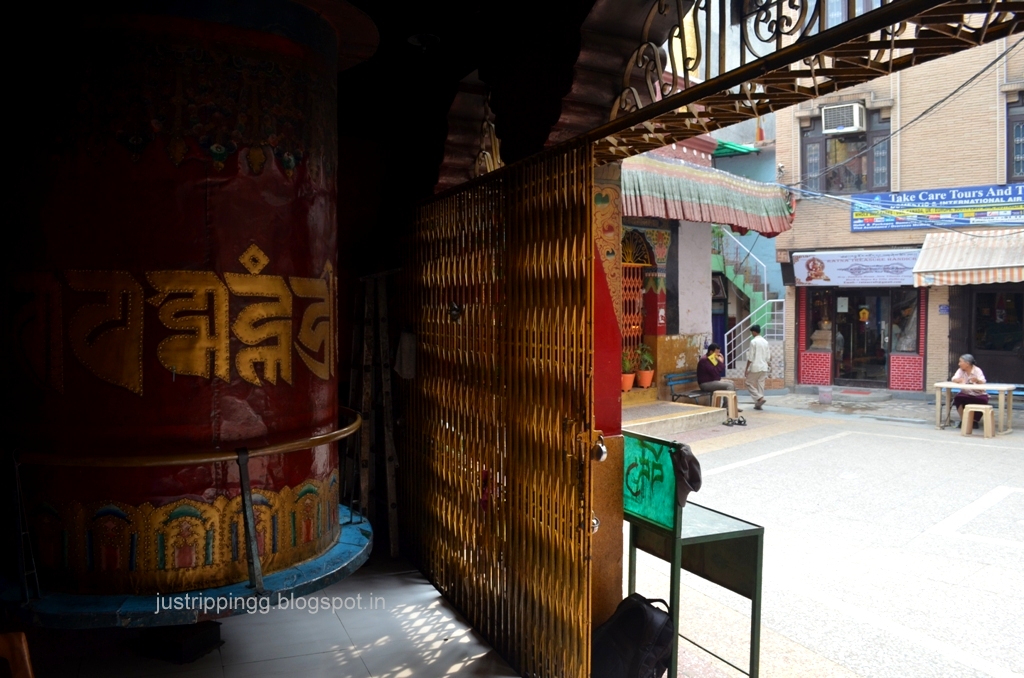
Scores of butter lamps flicker. Inside the temple, young monks dressed in flowing maroon sanghatis intone mantras. From the walls Buddha smiles benignly. Rosy faced kids chased by smiling mothers run through the courtyard. Just a few steps from the busy Outer Ring Road at Majnu Ka Tilla, you have stepped into a different world. The Tibetan Colony is Delhi’s own Dharamsala where Tibetans fleeing from Lhasa first settled. Experience Little Tibet’s vibe redolent of an innocent life left behind. Sample Tibetan food that gave Delhi its favourite snack, the Momo! Walk the winding lanes where sweet melancholia of lost homeland echoes along with the zeal to create a new one.


Paharganj – On the Hippie Trail


Neon-lit Dev D Nights of Paharganj
The tall neon sign boards flanking both sides of the lane inside Ram Nagar turn Paharganj into a seemingly Las Vegas strip. Walking distance from New Delhi Railway Station, Paharganj is hub for hotels of all budgets catering to everyone from well-heeled to backpackers and overnight travellers. Paharganj haven for hippies in the seventies burst into prominence after the psychedelic antics of modern day Dev D in the eponymous movie. After finding a hotel room, stroll through the maze for clothes, international cuisines from sushi to hummus and hang out at libraries exchanging old books. Settle down with a beverage on the open terrace of Café Club India and let the unpretentious vibe of Paharganj wash over you.


Ghalib’s Last Ghazal


Ghalib Haveli in Ballimaran, Chandni Chowk, Delhi
It is twilight of Mughal Empire when Delhi gets frequently plundered and the British power is on the rise. To beat stress Delhiites take to shayari and ghazals. Zauq, Meer and Momin become household names. In Delhi’s Seventh City of Shahjahanabad, turn into Ballimaran beyond Sunheri Masjid. As you approach the haveli in Gali Qasim Jan, couplets waft in the chilly night. This is the house of Delhi’s most famous poet and its literary historian, Mirza Asadullah Khan Ghalib. Today, a part of the haveli has been restored exhibiting his books and hand written poems. Ghalib, the delhiwalla dil se and synonymous with Delhi’s culture died lamenting his unrequited love for Delhi. Come and show some love to Ghalib - he just might compose a new ghazal.


Bhuli Bhatyari Mahal

For some heebie jeebies, visit the almost spooky Bhuli Bhatyari Mahal near Jhandewalan, New Delhi


Before the Ansals and DLF, Feroz Shah Tughlaq was the original builder of Delhi as he built Ferozabad - Delhi’s Fifth City, several mosques, a madrassa on the banks of Hauz Khas, brought Ashokan Pillars from Ambala and Meerut and hunting lodges in the forest ridges of Delhi. As you get off the metro at Jhandewalan, walk past the huge Hanuman statue and then turn into the street that rises into the ridge. Here strange looking fortifications guard the Bhuli Bhatiyari, a supposedly haunted monument. Walk in the barren interiors and try not getting spooked as shadows of bare branches play tricks on the walls.


Ishq-e-Dilli at Purana Qila

Pandavs and Kauravs Rolling the Dice in Delhi's best Light and Sound Show: Ishq-e-Dilli at Purana Qila, New Delhi


Mangal Pandey during India's First War of Independence
As the skies darken and the evening turns chilly, you make your way into Purana Qila or Shergarh - Delhi’s Sixth City – past the double storeyed Bada Darwaza. This is probably the site of Indraprastha, the mythological capital of Pandavas. On the left the lone Sher Mandal stands silhouetted where Humayun tumbled to his death. Up ahead is the iconic Humayun Darwaza with its two canopies that forms the backdrop of the most incredible Sound and Light show ‘Ishq-e-Dilli.’ As the laser lights dance, songs and commentary takes the viewer through Delhi’s 5000 year old fascinating history.


Let my favourite city keep blooming
For us mere mortals, every season heralds another year of being closer to the end but Delhi grows prettier and younger every year. Despite repeated invasions and sackings, Delhi has lived on with successive rulers building their own cities. On a January morning as the soft sun turns the Ashok Pillar golden at Feroze Shah Kotla, you fall in love once again with the city you were born in and which will live on long after you are gone.

A version of the story appeared in the February 2017 issue of Rail Bandhu, the on-board magazine of Indian Railways. The magazine is available in Shatabdi, Rajdhani, Duranto and Gatiman Express trains


Related Links on this Blog
http://justrippingg.blogspot.in/2016/03/walking-delhi-blooming-walls-of-lodhi.html

Please visit Justrippingg's Facebook Page for updates

Please follow Justrippingg on Instagram